


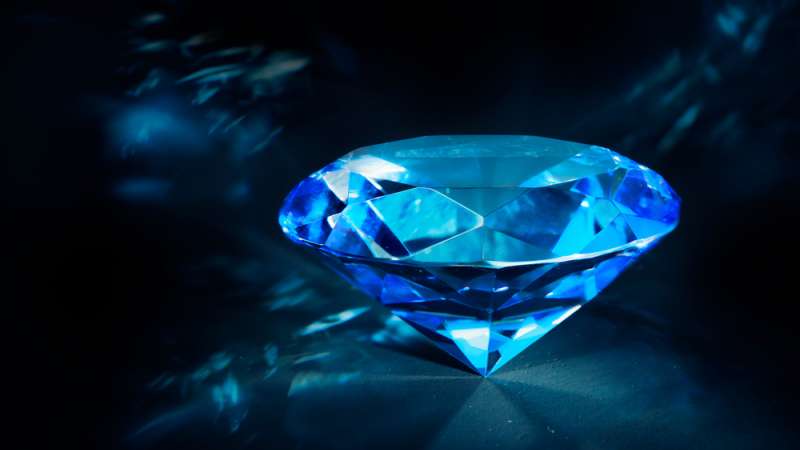
Among the most captivating gemstones ever discovered, the blue diamond holds a special place in the world of luxury jewelry. Known for its mesmerizing color and exceptional rarity, this gemstone has fascinated collectors, royalty, and investors for centuries. Unlike traditional white diamonds, blue diamonds possess a unique depth of color that ranges from soft icy blue to deep ocean shades.
The distinctive color of a blue diamond is created by the presence of boron within the diamond’s crystal structure during its formation deep inside the Earth. This natural element interacts with light in a way that produces the stunning blue tone that makes these diamonds so extraordinary. Because the conditions required for this process are extremely rare, only a small number of blue diamonds are discovered worldwide.
Throughout history, blue diamonds have symbolized luxury, mystery, and prestige. Some of the most famous diamonds ever discovered belong to this category, attracting global attention whenever they appear at auctions or in museum collections.
The Role of Argyle Diamonds in the World of Rare Gems
While the argyle Diamond mine in Western Australia was primarily known for producing rare pink diamonds, it also played an important role in the global diamond industry. The mine was one of the most productive diamond sources in history and helped bring attention to the beauty and diversity of naturally colored diamonds.
Argyle diamonds became famous for their vibrant hues and strict grading systems. The mine introduced specialized color classifications that helped jewelers and collectors better understand the rarity of colored stones. Although pink diamonds were its signature product, the Argyle legacy elevated the entire market for fancy-colored diamonds, including blue diamonds.
When the Argyle Mine closed in 2020, it marked the end of an era in the gemstone world. The closure increased global interest in colored diamonds because it highlighted how limited natural supplies truly are. As collectors search for rare stones, diamonds with unusual colors such as blue have become even more valuable and desirable.
Why Blue Diamonds Are So Rare and Valuable
The rarity of blue diamonds is one of the main reasons they command such high prices in the gemstone market. In fact, only a very small percentage of all diamonds mined each year show natural blue coloration. Among those, only a handful possess the vivid saturation and clarity required for high-end jewelry.
Blue diamonds are graded according to several factors including color intensity, clarity, cut, and carat weight. However, the most influential factor in determining value is the strength and purity of the blue hue. Stones categorized as fancy vivid blue or fancy intense blue are considered exceptionally rare and can reach record-breaking prices at international auctions.
Another reason blue diamonds are so admired is their brilliance. When expertly cut, these stones reflect light in a way that enhances their natural color while maintaining the sparkle that diamonds are famous for. This combination of brilliance and color creates a gemstone that is both elegant and visually striking.
Important Things to Know Before You Buy Blue Diamond
If you are planning to buy blue diamond, understanding the essential characteristics of these rare gemstones is crucial. Because blue diamonds are so valuable, buyers should always ensure that the stone comes with a certification from a reputable gemological laboratory. This certification confirms the diamond’s authenticity, natural color origin, and overall quality.
Color grading is one of the most important aspects to evaluate when purchasing a blue diamond. The deeper and more vibrant the color, the rarer the stone tends to be. However, some collectors also appreciate lighter shades of blue because of their subtle elegance and unique appearance.
The cut of the diamond also plays a significant role in enhancing its beauty. A well-cut blue diamond allows light to travel through the stone effectively, maximizing brilliance and highlighting the natural color. In addition, clarity and carat weight influence both appearance and price, making it essential to balance these qualities according to personal preference and budget.
Buying from a reputable jeweler or diamond specialist is always recommended. Experienced professionals can provide detailed information about the diamond’s origin, grading report, and long-term value.
Blue Diamonds as a Luxury Investment
Over the past few decades, colored diamonds have gained popularity not only as jewelry pieces but also as long-term investment assets. Blue diamonds, due to their extreme rarity, have shown consistent growth in value in the global luxury market.
Collectors often view these diamonds as portable wealth because they combine beauty with scarcity. As natural diamond deposits become harder to discover and mining operations decline, the supply of high-quality blue diamonds remains limited.
The historical performance of rare colored diamonds demonstrates their resilience in luxury investment markets. For many buyers, owning a blue diamond represents both a personal treasure and a valuable asset that can be passed down through generations.
The Lasting Appeal of Blue Diamonds
Blue diamonds continue to captivate the world with their extraordinary beauty and rarity. Their deep, mysterious color and brilliant sparkle make them one of the most admired gemstones in existence.
As interest in rare colored diamonds grows and historic mines like Argyle become part of gemstone history, the value and prestige of exceptional diamonds will likely continue to rise. For collectors, investors, and jewelry enthusiasts alike, a blue diamond remains one of the most remarkable treasures nature has ever created.